


Our fifth cohort of 16 students joined us in September 2023!
Tintumol Dennis
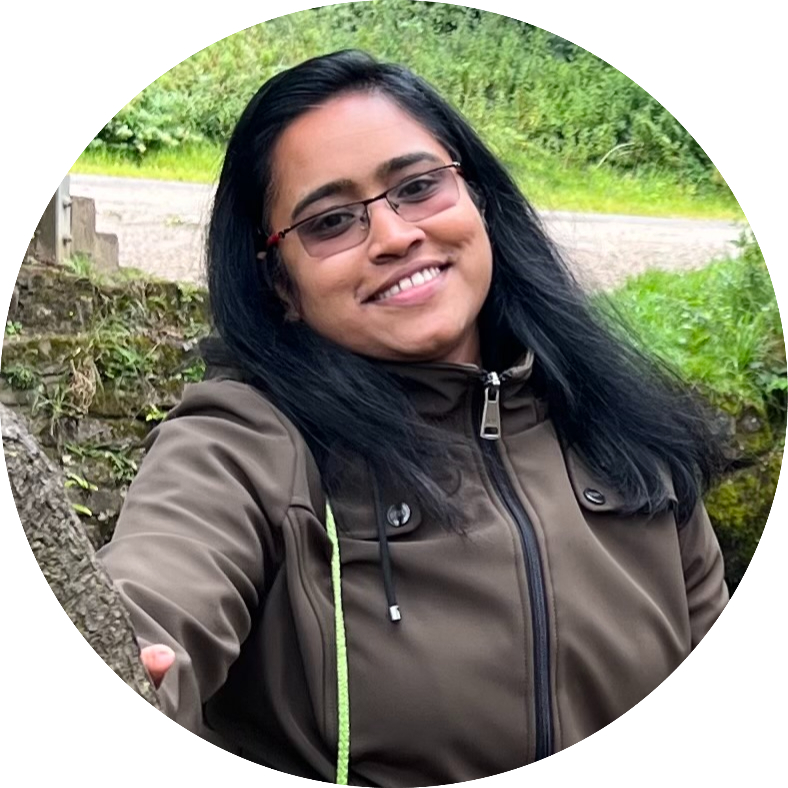
I am Tintu from India. My journey into the world of semiconductor began during my undergraduate studies, where I developed a keen interest in System on Chip (SoC) design and the challenges of system integration. This sparked a strong desire to explore various aspects of system integration further. I went on to complete a Master’s degree in VLSI Design from Karunya University in India. Following this, I worked as a lecturer at a respected engineering college, where I taught multiple modules in Electronics Engineering and guided students in their course projects.
Seeking to deepen my knowledge, I pursued an MSc in Microelectronics Systems from the University of Liverpool. This program helped me to gain a deeper understanding of the technology behind IP design and integration, essential for creating high-performance products. My course project involved the design and implementation of a 32-bit RISC microprocessor.
For my PhD research, I will be working under the supervision of Prof. Khaled Elgaid at Cardiff University, supported by IQE. My project, titled “Next Generation RF and Power GaN-based Epitaxial Development,” will focus on advancing GaN technology for RF and power applications. In my free time, I enjoy listening to music and traveling.
Heather Jacobs
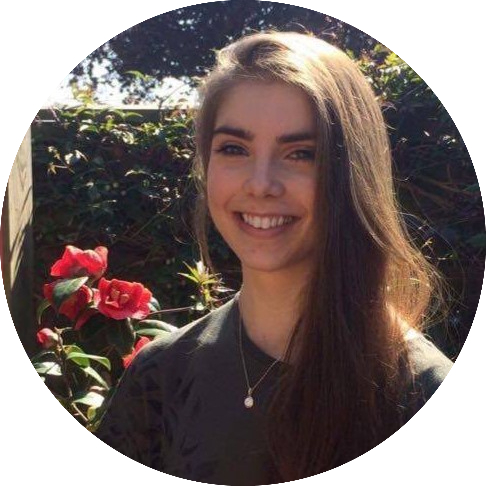
Hi, I’m Heather and grew up in a small city in the southeast called Chichester. I graduated from Cardiff University this year with a 2:1 in a Bachelors of Physics, and can attest to what a great place Cardiff is! I have been interested in semiconductors since doing a year in Engineering before swapping to the Physics course, and a combination of condensed matter and semiconductor modules this year furthered that interest. I’ve always been curious about the application of physics, and how theory turns to industry. This opportunity was too good to miss, and I am both excited and surprised at being here. Outside of university I love going to the gym and keeping active, and have an unhealthy habit of reading till the early hours to finish a good book.
Tom Simpson
Hi, my names Tom, and I am from Birmingham. I graduated from the University of Leicester with a first-class bachelor’s degree in Physics. During my second year, I fostered an interest in condensed matter physics and electronics, which was developed by completing internships at the University of Oxford and the University of Leicester. My project is funded by IQE and KLA and investigates InP-based photonic integrated circuits for a broad range of applications such as telecommunications and sensing. Outside of university, I am an avid musician, playing guitar for over a decade and teaching for the last five years.
Hemant Kumar Limbu
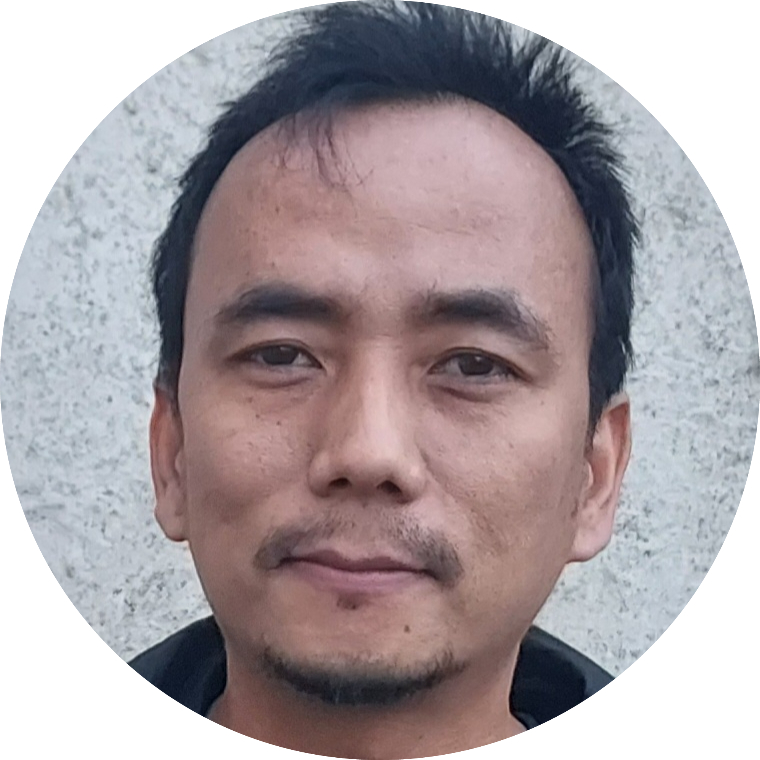
Hi, I am Hemant from Nepal. I completed my first MSc in Physics at Tribhuvan University, Nepal, with a specialisation in Advanced Solid-State Physics and Plasma Physics. During both my undergraduate and MSc studies, I studied quantum physics for four consecutive years as a compulsory subject. This gave me a strong understanding of the wave-particle duality of electrons and their behaviour at the quantum scale.
After completing the MSc, my involvement in teaching, group research projects, and publications deepened my understanding of physics, particularly semiconductor materials. I then completed my second MSc in Physics (Research) at the University of Kent, Canterbury, UK, under the supervision of Dr Gavin Mountjoy. There, my research focused on the simulation of crystal structures, defects, and structural changes with temperature variations using Mg-Zn alloys at the atomic level using molecular dynamics modelling.
My primary research interest has always been the study of electron behaviour in semiconductors and the material structure of these semiconductors in electronic devices. This led me to apply to the CDT (1+3) compound semiconductor manufacturing programme. I am currently pursuing a PhD under Dr Thomas Walther, University of Sheffield, with the title: “Electron Spectro-Microscopy of Multiple Metal Layer Contacts onto GaN/(111)Si Epitaxial Layers and the Study of Interdiffusion Between Them by Annealing.”
Outside of academia, I enjoy cycling, hiking, music, and traveling.
Ali Büyükpınar
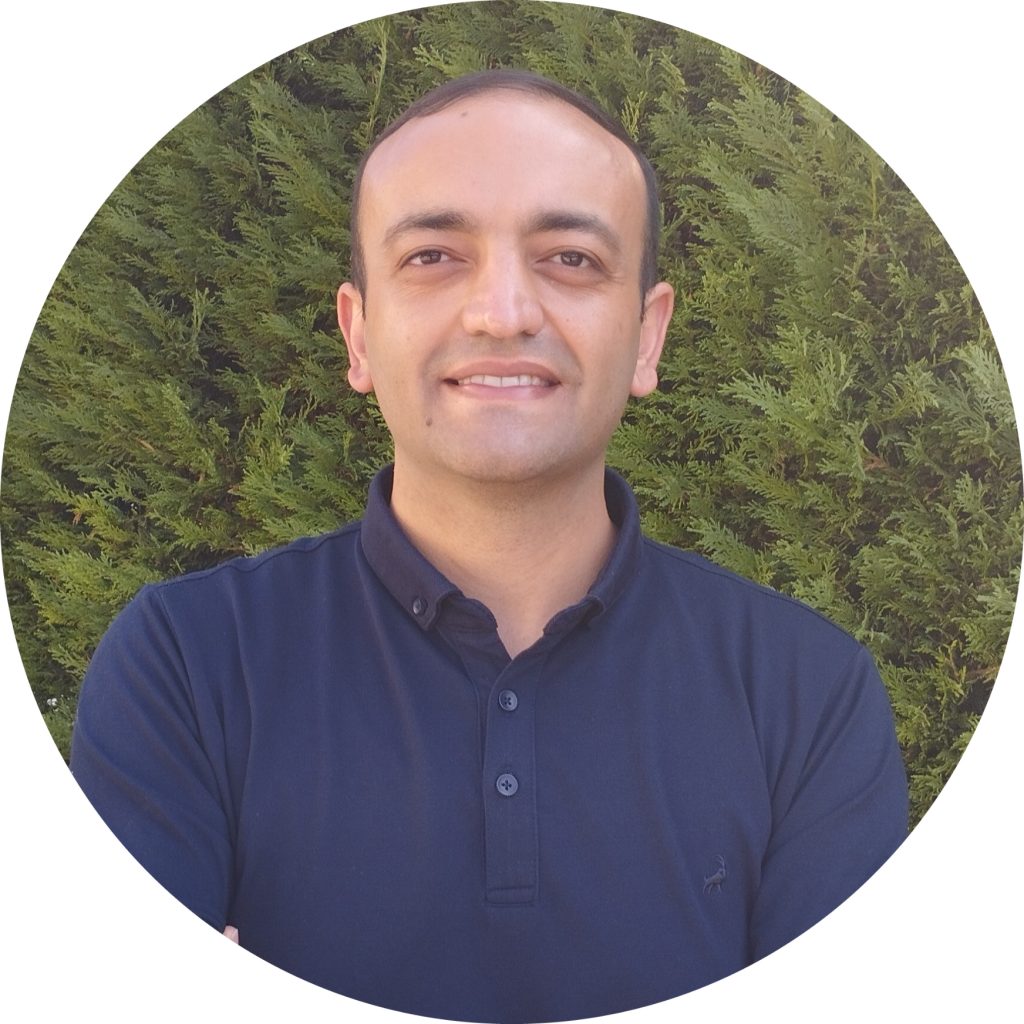
My name is Ali Büyükpınar, and I’m from Türkiye. I hold a bachelor’s degree in Physics (primary major) and Materials Science and Engineering (secondary major), as well as a master’s degree in Materials Science and Engineering from Eskişehir Technical University, Türkiye.
My interest in micro- and nanofabrication and device characterization of III-V compound semiconductors began during my undergraduate studies. I have extensive experience in photolithographic processes and device fabrication, as well as optical, electrical, and structural characterization techniques. For my bachelor’s thesis, I worked on fabricating and passivating InSb infrared photodetectors. Later, during my master’s studies, I honed my skills further by working on GaAs solar cells. After completing my degree, I worked as a fabrication engineer at NANOTAM-Bilkent University, focusing on InGaAs SWIR photodetectors. Currently, I am pursuing my PhD at Cardiff University, with research centred on the MOCVD growth of Type-II superlattices for mid-wave and long-wave infrared detectors. This project is a collaboration with IQE, our industrial partner, and is supervised by Dr Qiang Li.
Outside of my academic work, I enjoy listening to solo piano music (though I wish I could play) and playing three-cushion billiards.
Andrew Smith
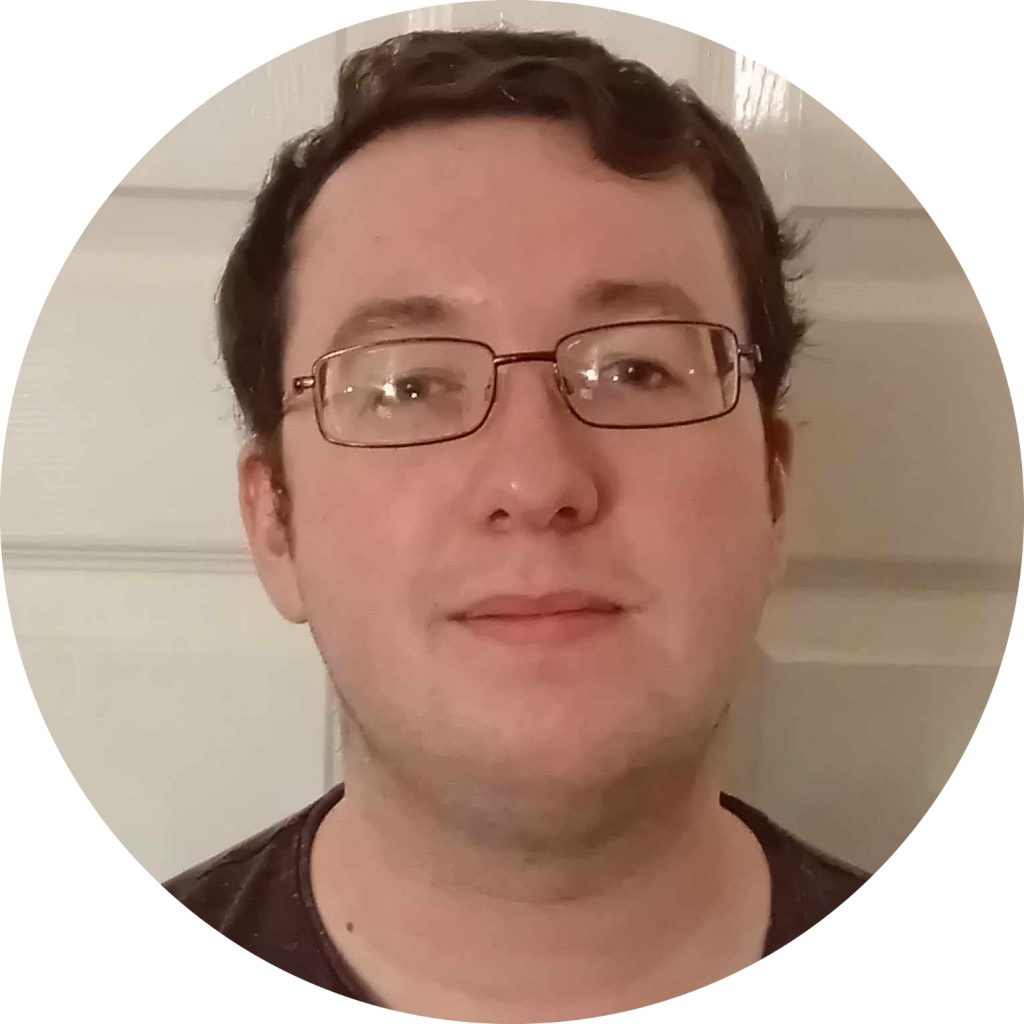
Hello, my name is Andrew Smith, I grew up in the Lake district Cumbria and studied a MPhys degree in physics at the university of Salford graduating in 2023, achieving a first.
My third and fourth year projects introduced me to semiconductors through studying Erbium implanted Silicon (EIS) semiconductors, measuring properties such as resistivity, Seebeck effect, Raman scattering, and electron paramagnetic resonance spectroscopy. This research has applications in quantum computing and quantum telecommunications with my research assessing the viability of EIS for these areas.
My PhD project is titled “High Performance Quantum Dot Laser Material” where I investigating the variation of quantum dot laser characteristics across 150 mm wafers and developing on-wafer characterisation techniques. This can enable identification of areas on the wafer that meet specific device specification prior to full fabrication and understand the origin of the variability.
Outside of research, I enjoy reading, drawing, football, and archery.
Spiros Papadogeorgos
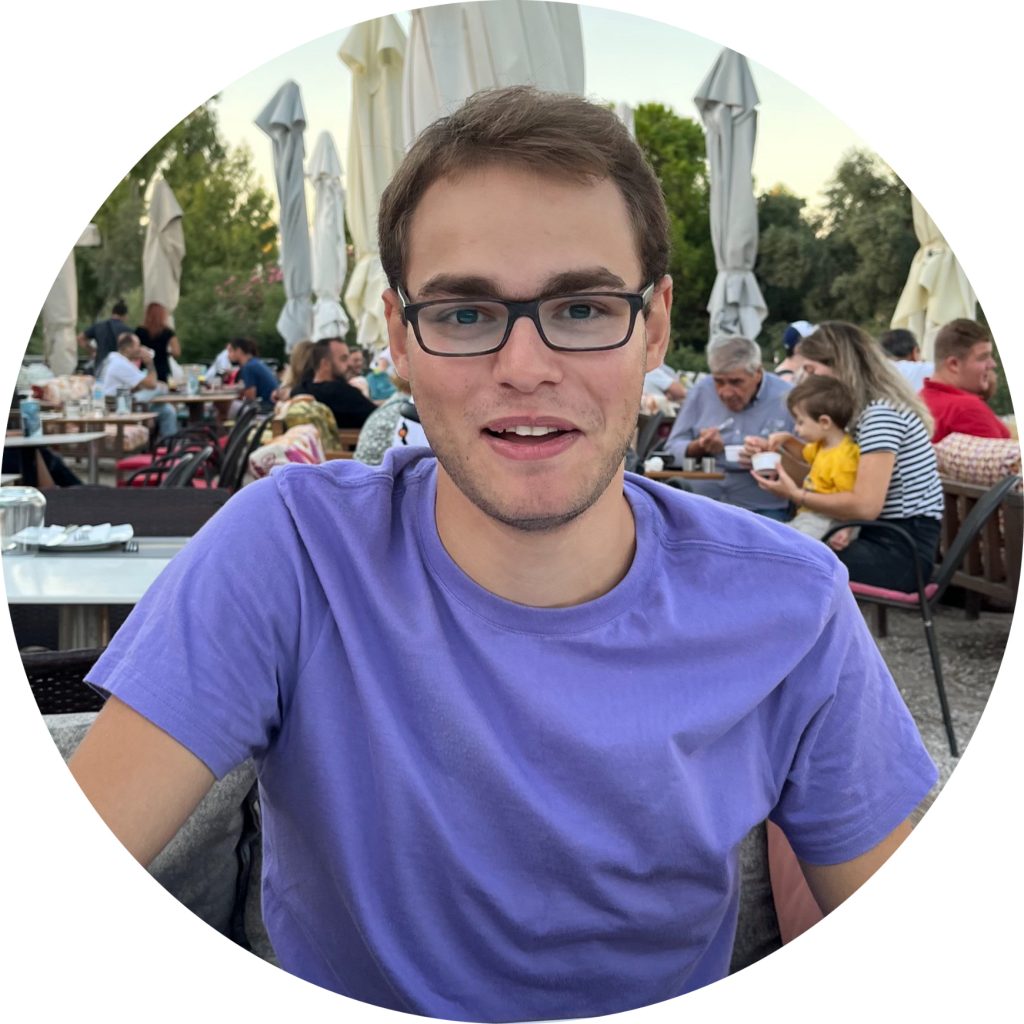
My name is Spiros, I grew up in Greece and then moved to Cardiff where I completed an Engineering Foundation Year progressing further into a BEng degree in Electrical & Electronic Engineering at Cardiff University. Towards the end of my undergraduate studies, I specialised in the field of RF-Microwave Engineering and Compound Semiconductor Technology. For my BEng final-year project, I was supervised by Prof. Khaled Elgaid of Cardiff University. My project title was: A GaN Low Noise Amplifier (LNA) for C-Band Applications. The objective of the work of this Dissertation was the design and simulation of a GaN-based heterojunction field effect transistor (HFET) single-stage monolithic-microwave-integrated-circuit (MMIC) low noise amplifier which operates at C-Band (6 GHz) frequency designation. A hybrid topology of those of reactively matched with RC feedback integrated on common source inductive degenerative format was employed. The LNA was designed on a low loss silicon-carbide (SiC) coplanar waveguide (CPW) transmission line media. During 2023/24 academic year I pursued an MSc in Compound Semiconductor Electronics from Cardiff University.
My MSc project was supervised by Prof. Khaled Elgaid of Cardiff University, investigating the impact of physical parameters i.e. Device Gate-Width, Source-Drain Separation, AlGaN-Barrier layer Thickness, on the DC and RF performance of AlGaN/GaN HFETs employed for low noise applications. The nominal device technology implemented in this Thesis was 1 μm gate-length AlGaN/GaN-on-HR-Si with 21-25% Al-content.
For my PhD project, I will be supervised by Prof. Khaled Elgaid of Cardiff University with the support of Leonardo. My preliminary project title is: Low Noise MMIC amplifier for radar Applications. My current PhD research encompasses the design, fabrication and characterisation of X-Band (8-12 GHz) PA and LNA MMIC modules. Outside of University I’m passionate about swimming, travelling and photography.
Balasairam Amara
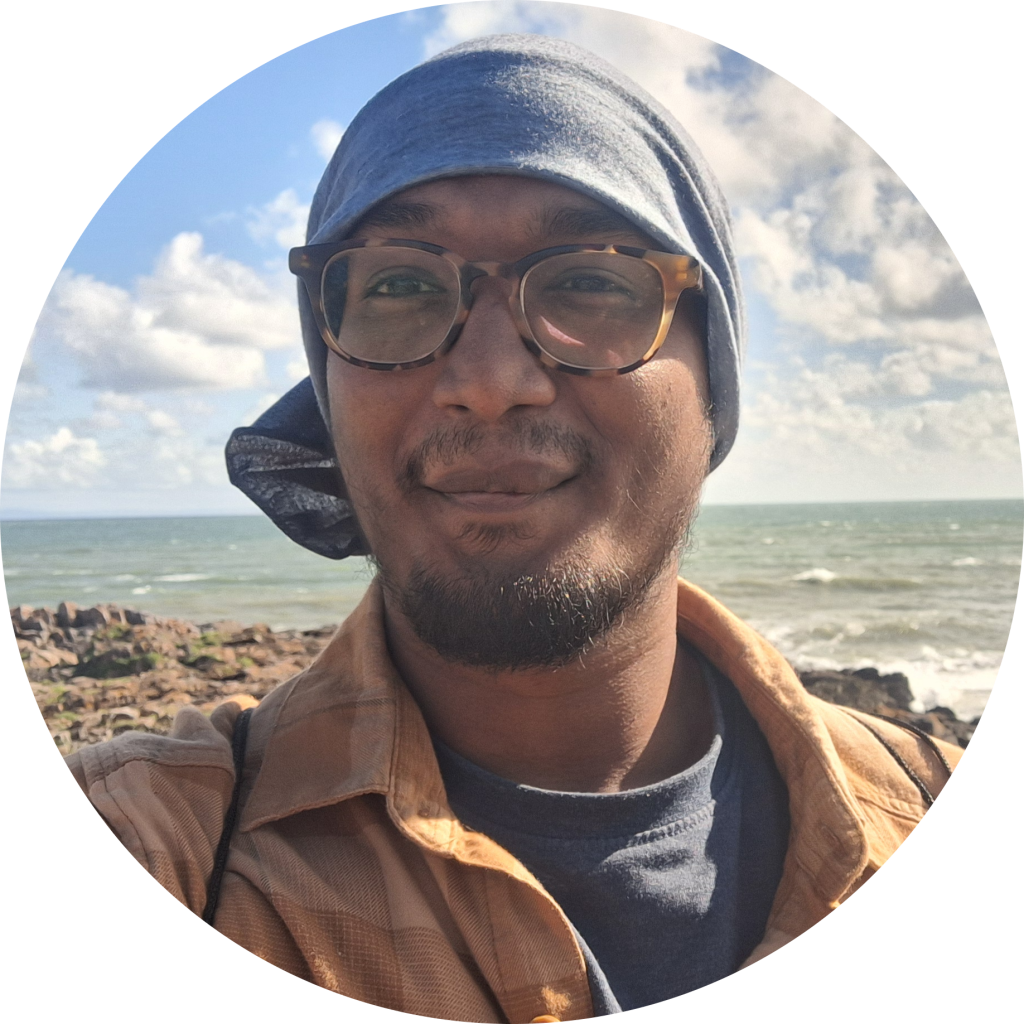
Hi, I am Sai. I spent a lot of my time during my bachelor’s in libraries focusing on my philosophical pursuits and in gyms, which rewired my brain to think in a certain way. To be honest, I was completely unaware of the compound semiconductor industry. All I wanted to do during my master’s was to make solar cells from scratch, so I read a lot of research papers and started creating my own semiconductor materials, realizing them as solar cells and testing them as well. Little did I know that making semiconductors (growth), realization (fabrication), and testing (characterization/validation) are all sectors of their own. I now understand that my research path has been very fruitful, and it has never been just about reaching the destination. In this new PhD chapter of my life, I am yet to explore a unique design of VCSEL with a monolithically grown passive component attached to it (with the help of one of my industrial sponsers: IQE), fabricating this device in ICS and KLA (my other industrial sponser) and how it can help us in realizing high power pulses which might have potential application in optical neuromorphic computing under the supervision of Dr. Sam Shutts.
George Jandu
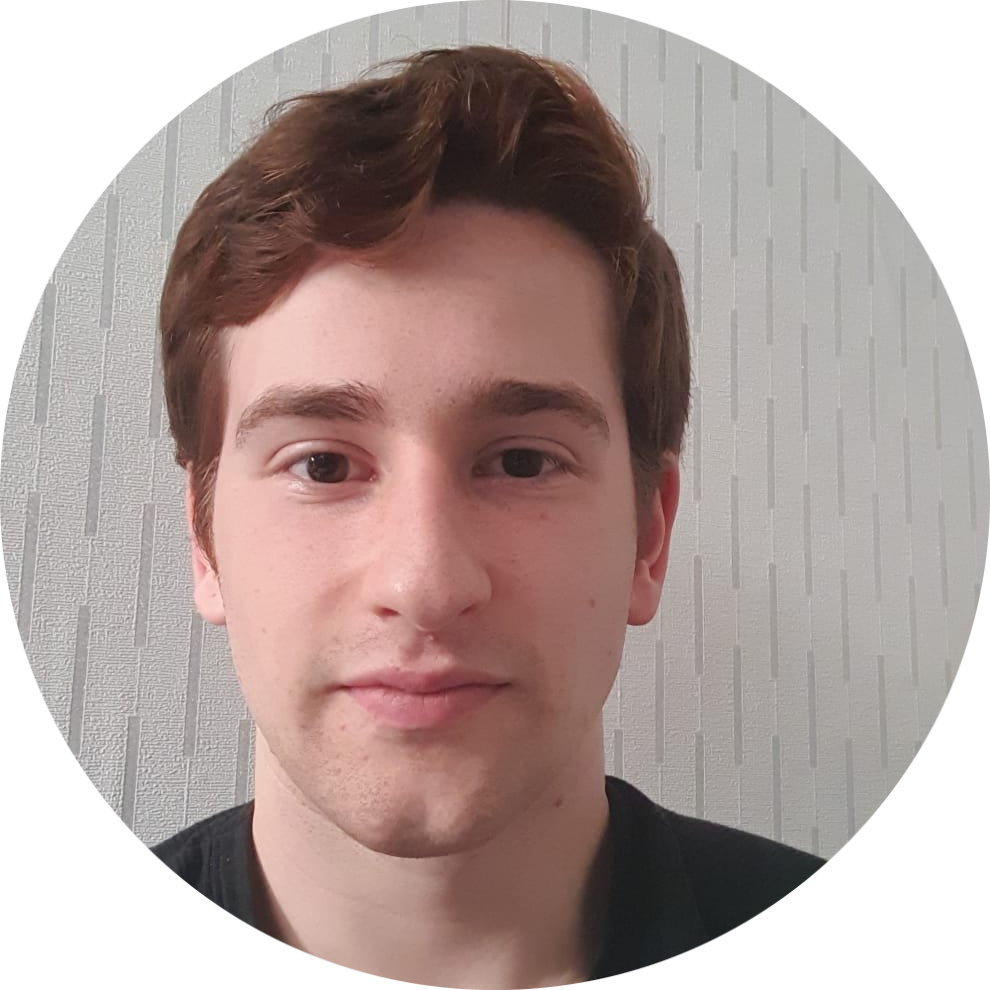
In 2019, I moved from my home city of Wolverhampton to pursue an integrated masters degree in physics (MPhys) at the University of Oxford. During the course of my studies, I had the opportunity to take a number of options in condensed matter physics; this was the first time I came across the idea that reductionism does not (and, in fact, cannot) work. I found that the methods used to get around this problem, and build up a very successful picture of the properties of a number of materials from relatively simple models, both elegant and intriguing.
My MPhys project focused on a technique used by condensed matter physicists to study materials, called muon spectroscopy (μSR). I worked on using approximate methods involving the Trotter product formula, and a novel way to represent systems of multiple spins, to simulate the precession of a muon after implantation. Using this formalism, I was able to extend a method proposed by Celio by mapping rows of the matrix of spins to binary numbers, to simulate systems with Hamiltonians of dimension 2²¹×2²¹. I am now a research student in the Optoelectronics Group at Cardiff University, where I focus on the design and characterisation of semiconductor lasers. I am especially interested in computational approaches for modelling both passive and active semiconductor devices; I apply the skills I developed during my MPhys project to investigate the material models that first drew me to condensed matter physics.
Eamonn Fogarty Olmos
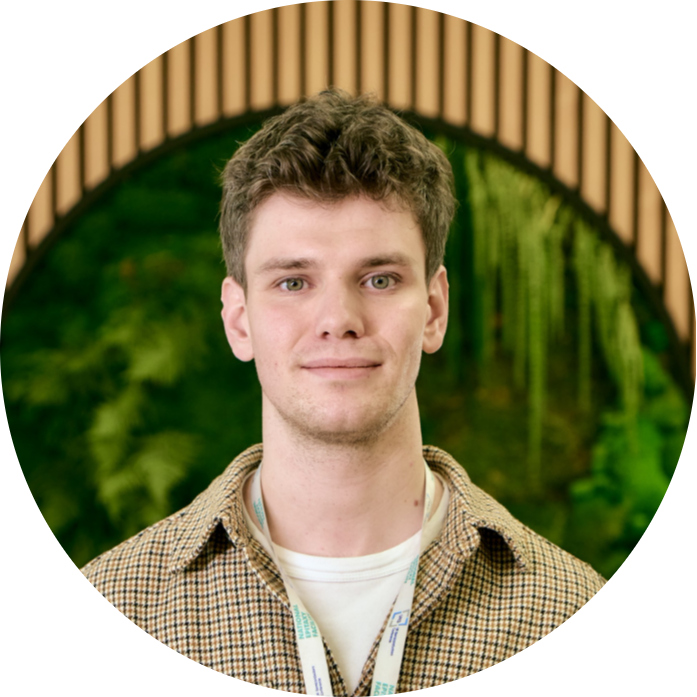
Hi, I’m Eamonn, a second-year PhD student in the CDT in Compound Semiconductor Manufacturing. I graduated with a first-class degree in Physics from Lancaster University in 2023.
My PhD focuses on the development of next-generation miniature atomic sensors, with an emphasis on monolithically integrated optical sources for chip-scale atomic clock architectures. The project combines semiconductor laser design, compound semiconductor fabrication, and atomic spectroscopy. I am currently working on the design and modelling of integrated photonic devices, including distributed feedback (DFB) lasers and related on-chip architectures.
This work is sponsored by the Compound Semiconductor Centre in collaboration with the National Physical Laboratory, with the aim of developing scalable, wafer-level integrated sensor platforms.
Josie Travers-Nabialek

Shwmae! I’m Josie and I’m originally from a small village in South Wales. I graduated with a BSc (Hons) in Physics and Mathematics from the Open University, with my final year project focussing on analysing the emission spectra of Quasi-Stellar Objects (QSO).
Eager to explore new areas of science, in 2018 I became a Research Technician for the Compound Semiconductor Manufacturing Hub at Cardiff University. I quickly developed a passion for this field of science as well as an appreciation for the important role semiconductor technology plays in our everyday lives. Excited to learn more, I began my own research project in 2020, which I completed in 2023 alongside my technical role. My MPhil project focussed on the design and optimisation of tantalum oxide anti-reflective thin films to suppress optical feedback in C-Band semiconductor optical amplifiers (SOA).
Both my research project and technical role have equipped me with a whole host of valuable skills and knowledge, including simulating photonic devices, device fabrication, sample preparation, and a wide variety of material and device characterisation techniques.
Following the successful completion of the MSc stage of the CDT CSM programme, I transferred to a PhD in October 2024. My PhD project focusses on the sustainable development of Red-Green-Blue (RGB) micro-LEDs for high-resolution display technologies. The project is supervised by Professor Peter Smowton (Cardiff University) and sponsored by IQE plc.
In my spare time I enjoy travelling, visiting museums, reading, music, and all things Lego!
Sri Datta Aneesh
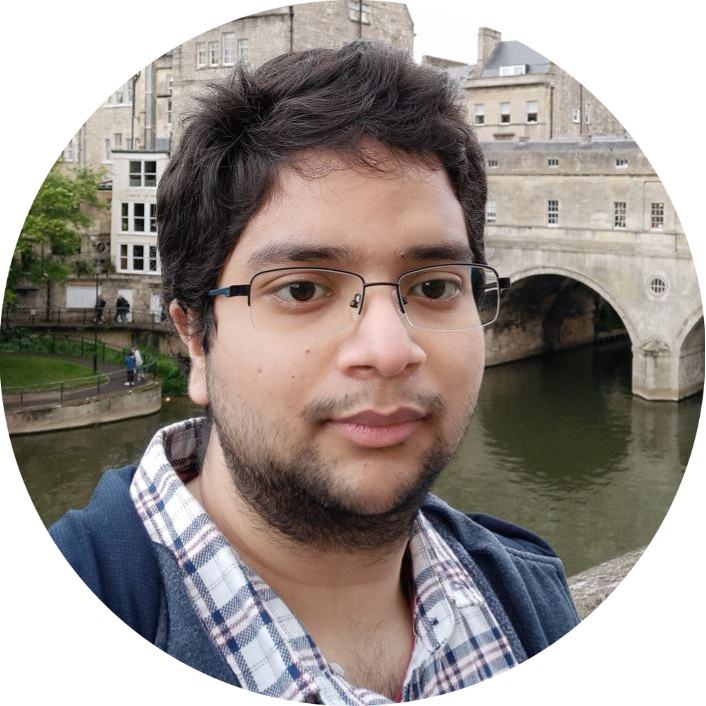
Hello, my name is Sri Datta Aneesh, and I’m from Hyderabad, India. My research interests focus on compound semiconductor applications and biomedical electronics. I hold an undergraduate degree in Electronics and Communication Engineering, where I developed a strong foundation in areas like signal processing, VLSI, neural networks, and relevant analytical frameworks. During this time, I also gained first-hand exposure to academic research, contributing to publications and enhancing my understanding of academia.
After completing my degree, I briefly worked in the quality assurance division of a globally renowned IT firm, which gave me valuable industry experience. I then pursued a master’s degree in Biomedical Engineering at the University of Bristol, followed by a master’s in Compound Semiconductor Electronics from Cardiff University as part of the CDT program. During these, I specialized in medical sensing devices, computational neuroscience, advanced electronics, cleanroom fabrication, high-frequency device physics, MMIC design, and optoelectronics, etc. With this interdisciplinary background, I am excited to begin my PhD journey, focusing on developing Colloidal Quantum Dot light-emitting diodes and transistors for efficient wavelength division multiplexing (WDM) supervised by Dr. Bo Hou with industrial support from Nanoglow Ltd. I look forward to contributing to innovation and research. Beyond my academic and professional interests, I am passionate about classical music, painting, reading non-fiction, and traveling. Looking forward to all the learnings ahead.
Olivia Kiely
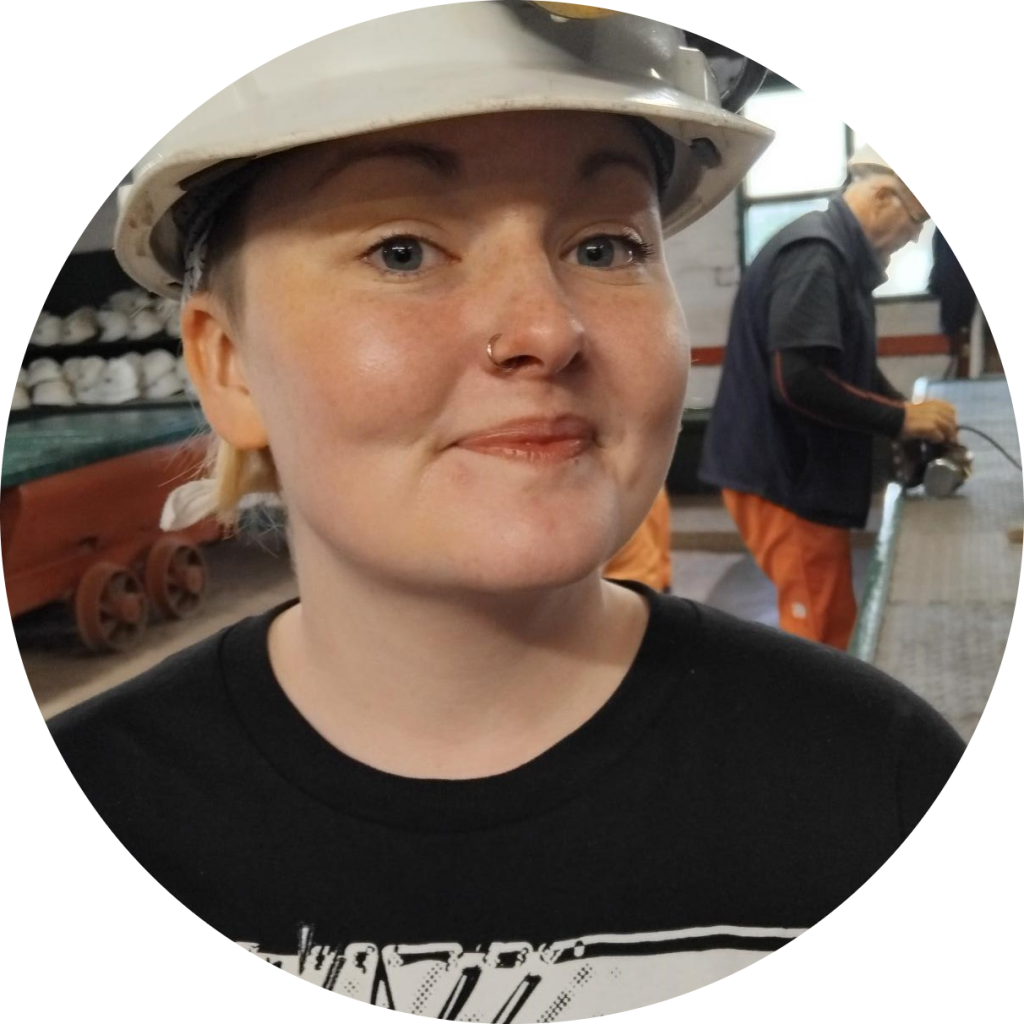
I (she/they) am a doctoral researcher working on using on-chip non-linear effects for optical hetrodyning within Anthony Bennet’s Quantum Lab ( QLab Cardiff – Compound Semiconductor Quantum Technology) . Optical hetrodyning is the method used to encode radio waves onto optical signals for transportation into fibre optics.
Originally from Nottingham, I spent five years working in hospitality around the country before attending Cardiff University to study physics. During my undergraduate, I completed a year internship at Huawei IPC site where I developed novel on-wafer testing solutions for vertical emitters.
Outside of work, I enjoy hiking and writing.
Nusrat Ferdous
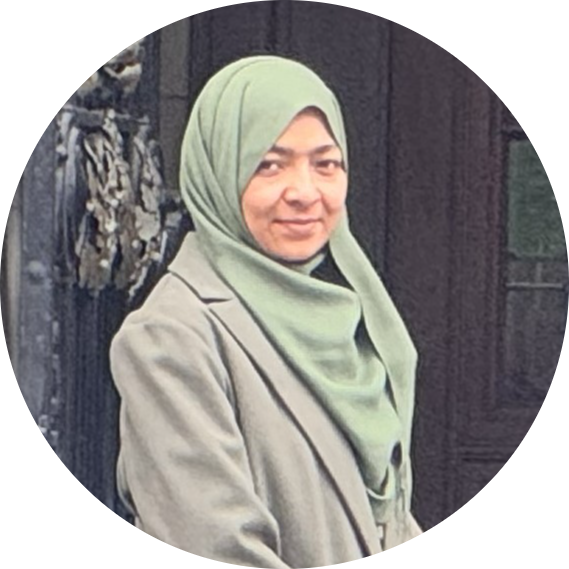
I am Nusrat, from Bangladesh. I graduated in Applied Physics at the University of Dhaka. My master’s research focused on the signal analysis of electroencephalograms (EEGs), which are electrical signals recorded from the human brain. One of the most challenging aspects of biomedical research is signal acquisition—that is, having suitable sensors to accurately capture these signals. This experience sparked my interest in the field of sensing materials and devices. As a result, I am now pursuing a PhD in the domain of compound semiconductors. Among various compound semiconductors, gallium nitride (GaN) is a highly promising material for optoelectronic, high-frequency and biosensing applications. My PhD research is centred on investigating defects in GaN epitaxial layers grown on silicon substrates. I am currently working under the supervision of Dr Thomas Walther at the University of Sheffield.
Michael Giombetti
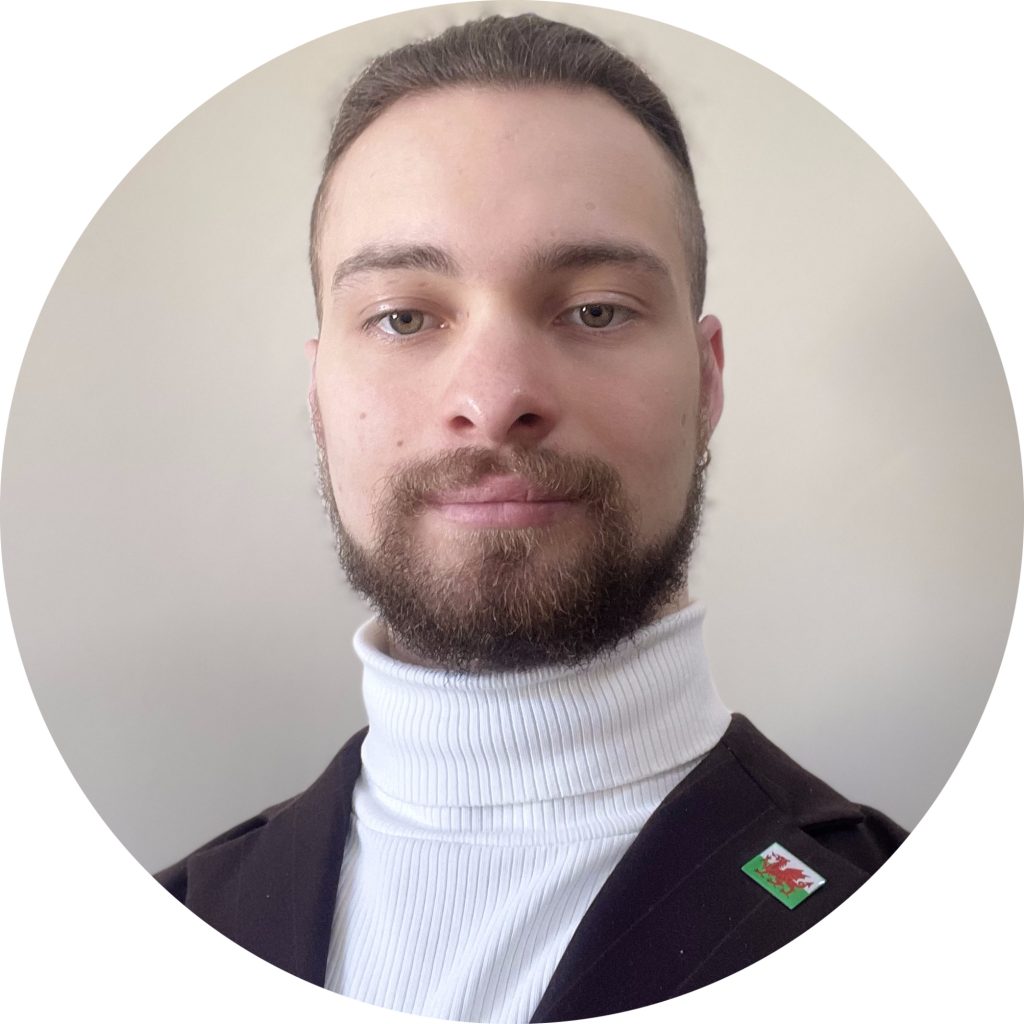
Hi I am Michael, I from Italy and I moved to the UK to do my undergraduate degree in BEng electronic engineering in Bangor university, I graduated with a first class degree and I have been awarded various prizes for my academic accomplishments.
For my final year project I worked in an automated alignment system for lasers into single mode fiber optics, which then after its completion I expanded as a request from my supervisor, Maziar Nezhad, into a more complex system witch nano scale displacements accomplished by piezoelectric stages and tunable lasers and detector arrays. All of which I integrated into a GUI in the Matlab environment.
My exposure to my supervisor’s area of research peaked my interest in optics and photonics, which made me pursue this path with the CDT as it aligns very well with my interest.
Outside of University work I enjoy sewing, plant collecting (hoarding) and cooking.
Abdullah Hafiz
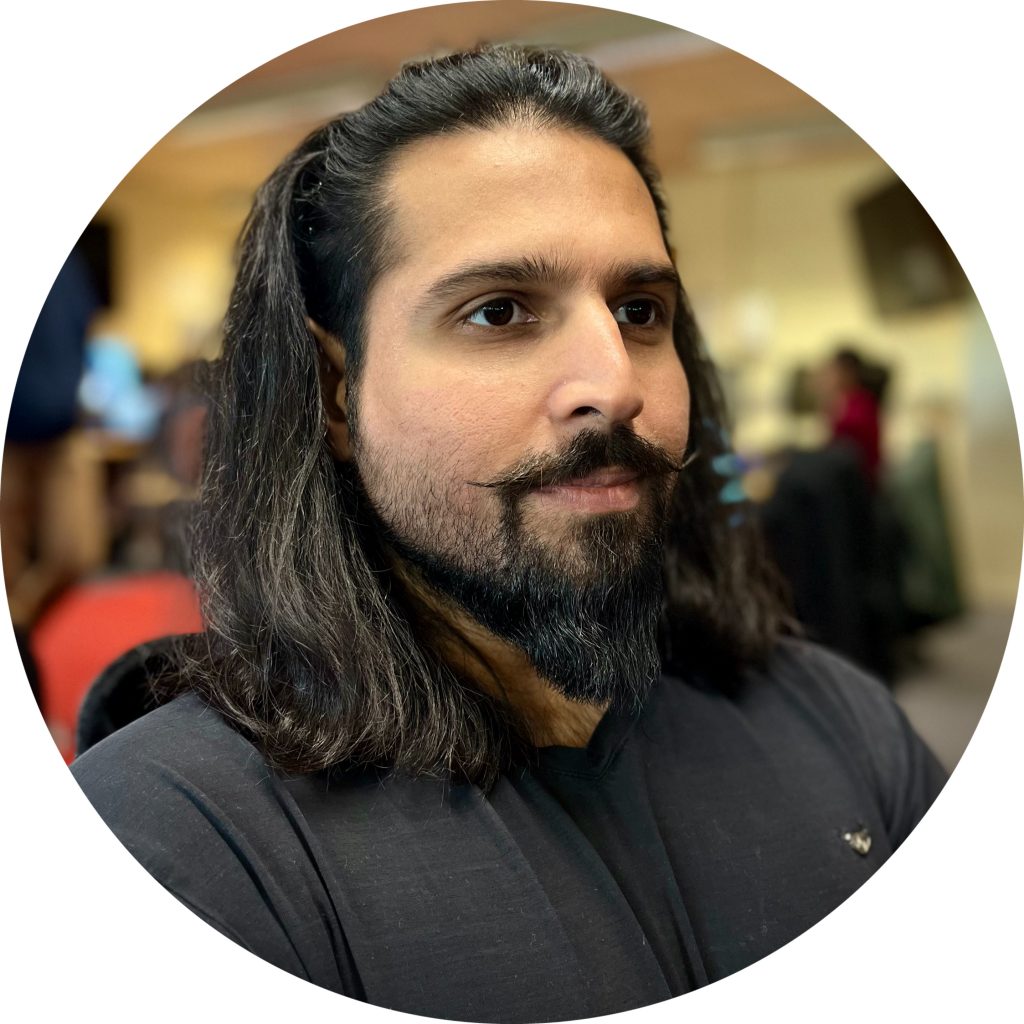
Hi I am Abdullah. Prior to being a PhD researcher in the EPSRC Centre for Doctoral Training in Compound Semiconductor Manufacturing, I gained a Diploma in Electrical Engineering Technology from the University of Doha for Science and Technology and later completed a BSc in Electrical and Electronic Engineering, an MSc in Optoelectronics at the University of South Wales and recently an MSc in Compound Semiconductor Physics as a part of the PHD (1st year MSc +3-year PhD) program.
Prior to commencing his doctoral studies, I developed experience across both industry and academic research. I worked at the University of South Wales within the Centre for Photonics Expertise and also held roles as a Research Associate at Sedna Lighting and as a Project Engineer at Cymtec. Through these positions, I gained applied experience in photonics, optoelectronics, spectroscopy systems, and the integration of technologies such as LEDs, lasers, MEMS, and related electronic and optical platforms. Earlier in my career, I also worked in power engineering and fibre-optic telecommunications installation, commissioning, and testing.
My current research focuses on fabrication, and characterization of GaAs-based photonic crystal line-defect waveguides integrated with photodetector epitaxial structures for compact waveguide photodetectors, with relevance to applications of future optical interconnect and data-center technologies. This is by working with Dr Jack Baker on the QuDOS grant, contributing to research in scalable compound semiconductor photonic devices and manufacturing.